
Sustainable Merchandise
A Practical Guide to Sustainable Merchandise
Roly Inspired · 12 August 2026
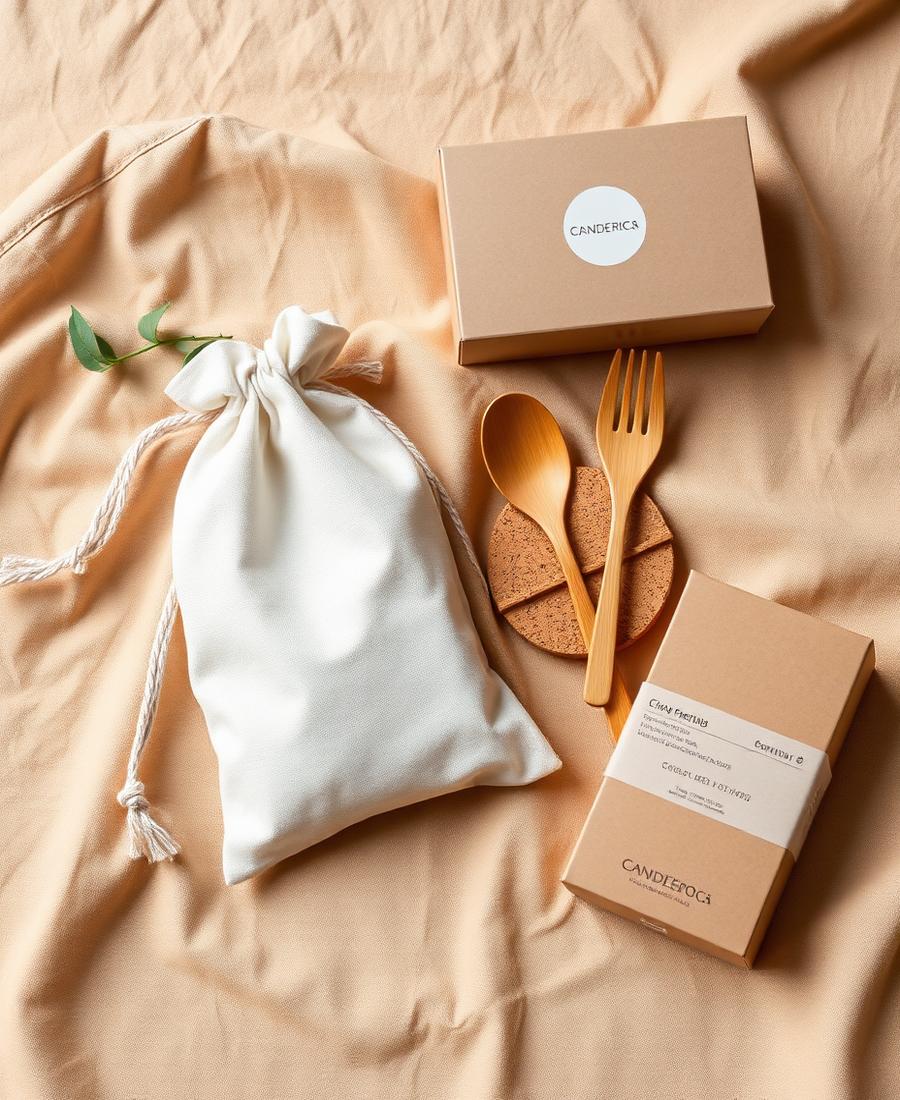
Sustainable merchandise sounds simple — choose something labelled eco-friendly and you're done.
In reality, there's a little more to it.
Materials matter, but so do quality, usefulness, packaging, how long a product lasts and whether anyone will actually use it.
At Roly Inspired, we believe sustainable merchandise should be about making more considered choices rather than simply adding an “eco” label to a product.
Here are some practical things to think about when choosing merchandise for your business.
1. Start With: Will It Actually Be Used?
One of the easiest ways to make a better merchandise choice is to choose something people genuinely need.
A reusable bottle that gets used for years can make far more sense than a novelty giveaway that's thrown away after an event.
Before ordering, ask:
- Is this useful?
- Will my audience want it?
- How long could they realistically keep it?
Sometimes the most sustainable choice is simply buying something better and buying it with purpose.
Explore sustainable merchandise
2. Look at What It's Made From
Materials are an important part of the decision.
Depending on the product, you may find options made using materials such as:
- Recycled polyester
- Recycled cotton
- Recycled aluminium
- Recycled stainless steel
- Cork
- Bamboo
- Organic cotton
- FSC®-certified paper or wood
- Other recycled or responsibly sourced materials
But don't choose a product based on one material claim alone.
Consider the whole product, how it's made and how it will be used.
3. Understand Certifications
Words like natural, green and eco can sound impressive, but credible certifications and clear material information can help you make a more informed decision.
Depending on the product, you might come across certifications or standards relating to recycled content, responsible forestry, organic materials or supply-chain practices.
Where certifications are available, look at what they actually apply to rather than assuming the entire product is certified.
At Roly Inspired, we'd rather give you clear information than make environmental claims we can't support.
4. Think About Lifespan
A promotional product that lasts can continue doing its job for a long time.
Think about products such as:
- Reusable drinkware
- Quality bags
- Umbrellas
- Lunchware
- Apparel
- Travel accessories
- Desk accessories
If someone uses your branded product regularly for several years, that's very different from something designed for a single moment.
Durability matters.
And from a branding perspective, it's pretty powerful too.
Your brand gets seen again and again without you needing to give the recipient something new.
5. Don't Forget the Packaging
You can choose a great product and then undo some of that thinking with unnecessary packaging.
Ask whether you really need multiple layers of plastic, oversized boxes or excessive wrapping.
Where possible, consider:
- Reduced packaging
- Recyclable packaging
- Recycled-content packaging
- Reusable packaging
- Packaging that forms part of the gift itself
If you're creating a corporate gift kit, we can also help you think about how the entire presentation works together.
6. Recycled Doesn't Automatically Mean Sustainable
A product being made with recycled material can certainly be a positive feature, but it shouldn't be the only thing you consider.
A recycled product that nobody wants and quickly throws away still isn't a particularly good promotional gift.
Look at the bigger picture:
Material + Quality + Usefulness + Lifespan + Packaging
That's a much better way to evaluate merchandise.
7. Consider Upcycling What You Already Have
Sometimes you don't need to manufacture something new at all.
Businesses often have old uniforms, banners, event materials, fabric or unused branded merchandise sitting in storage.
Depending on the materials, there may be opportunities to transform some of these into something completely different.
That's where upcycling gets interesting.
Rather than starting with a new product, we look at what already exists and explore whether it could have a second life.
8. Order With Purpose
More isn't always better.
Before placing an order, think carefully about:
- How many people actually need the product?
- What will it be used for?
- Who will receive it?
- Is the quantity realistic?
- Could the product be used beyond a single event?
Ordering thoughtfully can help reduce unnecessary merchandise sitting in cupboards long after a campaign has finished.
9. Ask Questions
If sustainability is important to your organisation, tell us.
Ask about materials.
Ask about packaging.
Ask about certifications.
Ask about product lifespan.
Ask whether there are alternatives.
You don't need to know all the terminology before you start. That's part of what we're here to help with.
Better Merchandise Starts With Better Choices
Sustainable merchandise doesn't need to be perfect.
It's about making better, more considered choices wherever possible.
- Choose products people will use.
- Look carefully at materials.
- Consider how long they'll last.
- Avoid unnecessary packaging.
- Order sensible quantities.
- And when possible, explore whether something you already have can be given another life.
At Roly Inspired, we'll help you explore merchandise that works for your brand while considering the impact of the choices you make.
Because good merchandise shouldn't just look good with your logo on it.
It should be worth making, worth giving and worth keeping.
Shop sustainable merchandise Talk to us about your next project
Ready to find the perfect promotional gift?
Jump straight to the ideas that caught your eye, or tell us what you need and we'll help.